
Forget the trends. Forget the couch. Don’t let anyone else define your sanctuary. Your home is your only space of total control. Make it a true reflection of you.
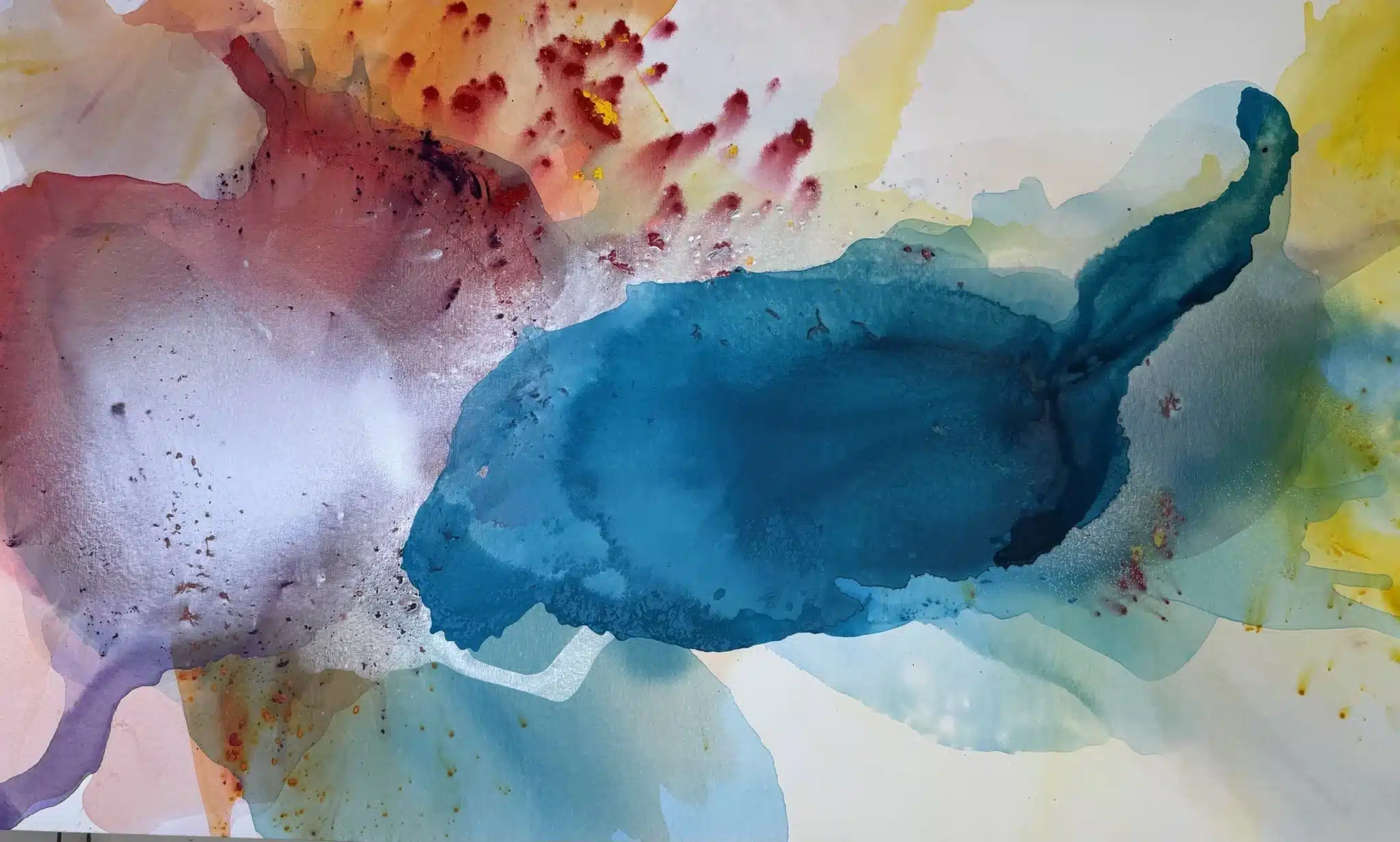
They say art should “tie a room together” to match your decor. I disagree. I believe you should choose art you fall in love with, pieces that speak to your soul every day. Art should be an experience, not a decoration.
Key Takeaways
- Choose art based on how you want to feel in a room, not to match the furniture. Start with the feeling, not the decor.
- Visual clutter genuinely taxes the brain’s attention (McMains & Kastner, 2011); one large, ordered piece can act as a calming visual anchor instead.
- Art that carries a real personal story, like a piece tied to your own heritage, tends to stay meaningful far longer than art chosen only to match a room.
Start with the “Why”
Don’t look at your furniture. Look inward. How do you want to feel in your living room? Do you need a sanctuary for rest, or a space that energizes your spirit? Art acts as an anchor for that feeling. When your home reflects your internal state, it becomes a true sanctuary.
The Science of Sanctuary
It’s not just a feeling. Visual clutter genuinely taxes the brain: research on visual attention (McMains & Kastner, Journal of Neuroscience, 2011) has found that when multiple competing stimuli fill the visual field, they suppress each other’s neural processing, meaning the brain has to work harder just to make sense of the room. A cluttered wall keeps you in that low-level state of alertness. You never quite settle.
Choosing one large, meaningful piece changes that. It gives your brain a single, clear visual anchor instead of a dozen competing ones, which is closer to what environmental psychologists call “soft fascination,” the kind of effortless, coherent visual interest that actually lets attention rest (Kaplan & Kaplan’s Attention Restoration Theory).
My acrylic works use organic, flowing textures to soften modern lines. They introduce a human “breath” into your architecture. The result is immediate calm.
The Emotional Language of Art
When you’re browsing, ask yourself these three questions:
- Do I need calm? Look for fluid, organic forms and soft transitions. Seek quiet, desaturated palettes that help you breathe. A calm piece acts as a visual “exhale” at the end of a long day.
- Do I need excitement? Look for bold, gestural brushwork and movement. Seek high-energy contrasts that add a pulse to the room. This is for the person who wants their home to feel alive and dynamic.
- Do I need peace? Look for a piece that sparks a deep, personal memory. Sometimes it isn’t about the colors; it’s about the feeling of home, history, or childhood.
The “Visual Reset”
Have you ever walked into a room and felt like the air had changed? That’s the power of the “visual reset.” We often get “blind” to our own homes; the room becomes a static background. When I rotate my work, I notice an immediate shift in the room’s energy.
You aren’t just rearranging objects; you’re changing the emotional climate. If your space feels like it has “stuck” energy, don’t buy new furniture. Simply move your art. Give your walls a new conversation, and watch how your own mood shifts to follow.
The Power of a Story
I once bought a contemporary piece featuring red poppies. It wasn’t just paint on canvas. It was a bridge to my roots in Hungary. Every time I looked at it, I wasn’t just in a room; I was back in the fields of my youth. It transformed my wall into a place of reflection.
This is the “Storyteller Effect.” When you buy art that carries a story, it never gets old. It evolves with you.
Why Commission a Piece?
Sometimes, the perfect piece isn’t waiting in a gallery. Sometimes, it needs to be born from a collaboration.
A commission is a beautiful, intentional partnership. It allows you to tailor the scale, the palette, and the “vibe” to the specific architecture of your home. When you commission a work, you aren’t just buying a finished product, you’re participating in the creative journey. You get to define the emotional anchor for your sanctuary, ensuring it fits perfectly into your life’s narrative.
I love commissions because they allow me to channel a client’s unique needs into my artistic voice. I thrive on the unique challenges each commission brings, and I’m currently opening my studio for four new projects this summer.
The Final Rule
Forget the trends. Forget the couch. Don’t let anyone else define your sanctuary. Your home is your only space of total control. Make it a true reflection of you.
Find the piece that feels like a conversation. When you find that, you’ll know it’s the one.
Frequently Asked Questions
How do I choose art for my living room if it doesn’t match my furniture?
Choose based on feeling, not color-matching. Decide how you want the room to feel (calm, energized, or reflective), then look for art that creates that emotional register. Art chosen to match a sofa tends to feel dated the moment the sofa changes; art chosen for how it makes you feel doesn’t.
Is there real evidence that a cluttered wall affects how a room feels?
Yes. Research on visual attention (McMains & Kastner, 2011) has found that competing visual stimuli suppress each other’s neural processing, meaning a busy wall genuinely makes the brain work harder. One large, coherent piece gives the eye a single place to rest instead.
What’s the “Storyteller Effect”?
It’s what happens when a piece of art carries real personal meaning, like a connection to your heritage or a specific memory, rather than being chosen purely for its color palette. That kind of art stays meaningful over time instead of feeling dated.
How does the commission process work if I want something made for my specific space?
It starts with a conversation about the scale, palette, and feeling you want to anchor the room with, not just the wall dimensions. Reach out to talk through a commission, especially if you’re interested in one of the four new large-scale commission pieces opening up this summer.
Let’s talk about your next piece, or browse the gallery to see what resonates.


